
The political landscape of the Philippines is shifting, and the architects of this change are women. From bustling urban centers to quiet, remote localities, a new standard of leadership is taking root. It is a brand of governance that completely rejects the old, transactional ways of running a government. Instead, it is built on radical transparency, relentless grassroots work, and a fierce commitment to the marginalized.
These Filipina leaders are breaking down the deeply entrenched boys’ clubs of local and national politics. They are showing up in the trenches and doing the grueling, unglamorous work of real institutional reform. They ensure every single peso of public funds is fiercely protected and spent where it actually matters. They craft inclusive laws that protect the vulnerable and stand on the front lines of disaster recovery. They prove time and again that leading with empathy does not mean leading with weakness. In fact, it requires an ironclad resolve to do what is right, especially when it is difficult.
They are treating public service as a sacred responsibility rather than an entitlement. By prioritizing the welfare of Filipino families and demanding accountability at every level, they are actively ending traditional, corrupt politics and paving the way for a more just nation.
Here are some of the women champions of the Kaya Natin! Movement for Good Governance and Ethical Leadership. Their stories serve as a masterclass in honest public service. They show us exactly what is possible when women step up to lead, rewrite the rules, and redefine the future of our localities.

Grace Padaca did not just enter politics, she disrupted an entire regional ecosystem that had been resistant to change for generations. As the former Governor of Isabela, her name became synonymous with the fearless fight against entrenched corruption. Padaca took on massive illegal logging syndicates that were decimating the Sierra Madre mountain range. She also declared an uncompromising war on the operators of illegal numbers games who had long held the province in a vice grip. She understood that fighting corruption meant cutting off the financial lifeblood of criminal networks while simultaneously uplifting the working class.
To achieve this, she implemented sweeping agricultural reforms. Padaca heavily subsidized rice and corn farmers, essentially breaking the monopoly of predatory lenders who kept local agricultural workers in a state of perpetual debt. What makes her story incredibly compelling is the intense physical and political friction she overcame to execute these reforms. A survivor of childhood polio, she walked the sprawling province on crutches to campaign, speaking directly to voters who were starved for honest leadership and genuine representation.
Her relentless efforts earned her the prestigious Ramon Magsaysay Award for Government Service, validating her approach on an international stage. Later, she brought her brand of unyielding integrity to the national level as a Commissioner for the Commission on Elections. During her tenure, she fought aggressively to make the voting process accessible and fair for persons with disabilities. Today, as a founding pillar of the Kaya Natin! Movement, she remains a powerful mentor to emerging politicians. She continues to prove that true political strength relies entirely on principles and the courage to stand alone, rather than relying on the machinery of traditional patronage.

Before Kaka Bag-ao ever held public office, she was on the streets defending the vulnerable as a fiercely dedicated human rights lawyer. She famously marched alongside the Sumilao farmers in their grueling, historic trek to Manila to reclaim their ancestral land from massive corporate interests. She carried that same militant energy and unshakeable advocacy into the halls of the House of Representatives. As a legislator, she was a fearless architect of the Reproductive Health Law, staring down intense conservative opposition and institutional pressure to secure basic healthcare access and bodily autonomy for millions of Filipinas.
When she transitioned to the executive branch as the Governor of the Dinagat Islands, she applied a highly grassroots approach to local economic development. She prioritized eco-tourism and sustainable agriculture, aiming to pull the remote island province out of poverty without destroying its pristine natural beauty. She understood that environmental protection and economic progress had to go hand in hand for an island community to survive long-term. She focused on empowering local cooperatives and ensuring that the provincial budget directly addressed the needs of fisherfolk and farmers.
Her ultimate test of leadership came when Typhoon Odette leveled the Dinagat Islands in late 2021. Bag-ao’s crisis management was tested to the absolute limit. With communication lines completely dead and infrastructure totally obliterated, she led the recovery efforts directly from the ground. She coordinated massive relief operations with international NGOs and ensured that aid was distributed transparently and equitably to all affected families. She is the kind of leader who completely rejects the concept of governing from an air-conditioned desk. Instead, she governs from the front lines, standing shoulder-to-shoulder with her people in both peace and calamity.
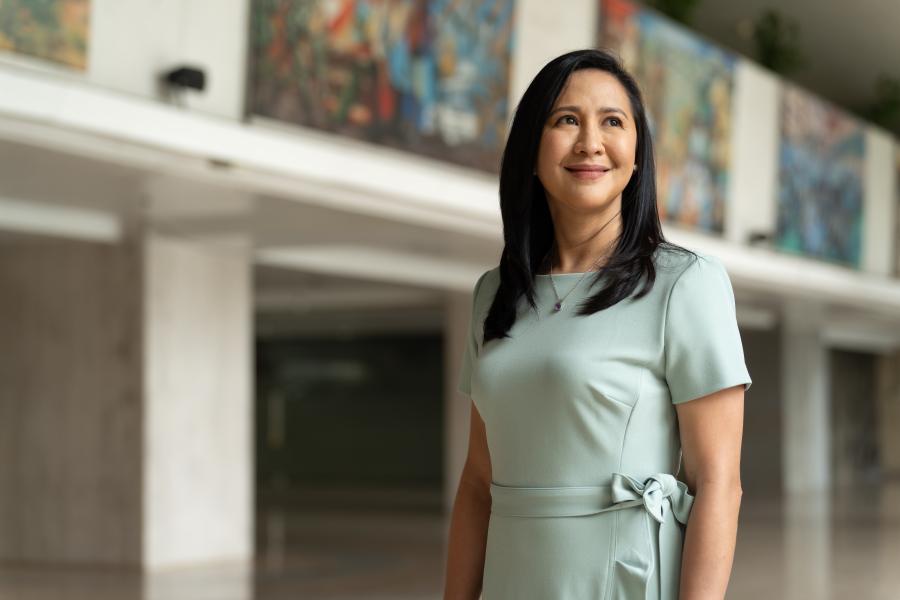
Governing Quezon City—the largest and most populous highly urbanized city in Metro Manila—is an immense logistical and political tightrope. Yet, Mayor Joy Belmonte has managed to turn this sprawling metropolis into a primary laboratory for progressive, inclusive policy. Under her meticulous watch, Quezon City has consistently secured the highest audit ratings from the Commission on Audit. This recognition is a hard-earned validation of her strict stewardship of the people’s money, ensuring that taxes translate directly into tangible public services rather than disappearing into bureaucratic black holes.
But her governance goes far beyond clean financial records and efficient administration. Belmonte has actively pushed boundaries for human rights and social equity, most notably through the creation of the “Right to Care” card. This groundbreaking initiative gave LGBTQ+ couples the legal authority to make critical medical decisions for their partners. It stands as a massive victory for equality in a country that still lacks a comprehensive national civil union law. She recognized a gap in basic human rights and used local executive power to fill it.
Furthermore, she has drastically expanded the city’s social housing projects. Her administration moved thousands of informal settler families out of hazardous danger zones and integrated them into dignified, sustainable communities. During major public health crises, her highly data-driven approach ensured that emergency resources, testing kits, and relief goods went exactly where they were needed most. Belmonte leads with a unique blend of technocratic precision tempered by deep social empathy. She is actively showing the rest of the country how a modern, complex megacity should actually be run to serve all its residents.

For Gloria “Baby” Crespo-Congco, governing the agricultural municipality of Cabiao was a masterclass in practical, highly targeted community building. She understood early on in her tenure that a local government unit cannot solely rely on its standard internal revenue allotment to fund massive, necessary progress. Instead of waiting for national funding to trickle down, she actively courted private sector partnerships to fast-track development and solve pressing local issues. She recognized that true progress required pooling resources from every available sector.
A prime example of this innovative approach was her successful collaboration with the Security Bank Foundation to construct disaster-resilient classrooms across the municipality. This was not just a basic infrastructure project, it was a direct, calculated intervention to curb the local dropout rate by giving students a safe, dignified place to learn regardless of the weather. Beyond education, Crespo-Congco recognized that her agricultural town was highly vulnerable to climate shifts and seasonal flooding that could wipe out a year’s harvest in a single week.
She worked alongside international development agencies to aggressively overhaul the town’s drainage infrastructure, protecting vital farmlands from catastrophic ruin and securing the livelihood of local farmers. She also focused heavily on the absolute basics of public health, such as securing external funding to install deep artesian wells in water-scarce neighborhoods that had been neglected for years. Her time as Mayor stands as undeniable proof of the power of synergistic governance. She demonstrated how a determined leader can successfully rally the private sector and civil society to invest heavily in a community’s long-term future.

Transitioning from a highly visible career in the entertainment industry to the rigorous, unglamorous demands of local legislation, Maybelyn Dela Cruz-Fernandez quickly silenced any political skeptics. She achieved this by consistently delivering hard-hitting, necessary policy changes in Dagupan City. As a City Councilor, she locked her focus entirely on the safety, welfare, and legal protection of women and children in her locality. She refused to be a passive legislator, instead actively seeking out the gaps in local law enforcement and social protection.
She is widely recognized for authoring Dagupan’s landmark Anti-Street Harassment Ordinance. Long before the national Safe Spaces Act was fully realized and implemented across the country, she pushed through local legislation that criminalized catcalling, stalking, and public harassment. This move fundamentally changed how the city protected its female residents, shifting the burden of safety away from the victims and placing strict penalties on the offenders. She created a legal framework that demanded respect in public spaces.
Beyond the formal confines of the session hall, Dela Cruz-Fernandez has been a highly active, visible force in the Philippine Red Cross. She demonstrates a hands-on, relentless commitment to disaster response, blood donation drives, and emergency medical care. She regularly uses her considerable public platform to spearhead aggressive campaigns against online sexual exploitation and digital bullying, recognizing the modern, evolving threats facing the youth today. Her political career is built on the firm premise that public service requires continuous, active defense of the vulnerable. She proves daily that true influence is best used to make the streets and screens safer for the next generation.

Trina Firmalo-Fabic recently made history by winning the 2025 gubernatorial race to become the very first female Governor of Romblon. Her victory is not just a triumph of representation, it is a massive mandate for ethical leadership and strict administrative accountability. Immediately upon assuming the highest provincial office, she made her priorities absolutely clear by launching aggressive, uncompromising transparency measures. Governor Firmalo-Fabic spearheaded the creation of a special task force under the Romblon Good Governance Code of 2025. Partnering directly with the Commission on Audit and national agencies, she initiated a rigorous, public review of billions of pesos in previously allocated flood control funds. She wants to ensure that taxpayer money genuinely protects vulnerable coastal communities from extreme weather rather than disappearing into the dark pockets of corruption.
Beyond financial transparency, her early executive gains as Governor include the swift, decisive approval of a comprehensive 2.2-billion-peso Annual Investment Program. She strategically directed these vital provincial funds toward high-impact projects, such as building the Romblon Agriculture and Fisheries Extension Center, aggressively funding coastal resource management, and establishing a dedicated Bahay Pag-asa Center for vulnerable youth. She also secured direct livelihood training funds for Indigenous Peoples residing in Sibuyan Island, proving her absolute commitment to inclusive, province-wide economic development.
Her historic ascent to the provincial capitol builds directly upon her phenomenal, award-winning track record as the three-term Mayor of Odiongan. In her previous municipal executive role, she completely overhauled the local solid waste management system. She proved that ecological sustainability is not a luxury for rich cities, but an absolute necessity for island economies. A licensed Environmental Planner and a recognized 2023 Asia-Pacific Obama Leader, she consistently champions data-driven, participatory planning over traditional guesswork. Firmalo-Fabic provides a brilliant, living blueprint for how precise, scientifically backed policy combined with fierce political courage can elevate an entire province to unprecedented heights of good governance.
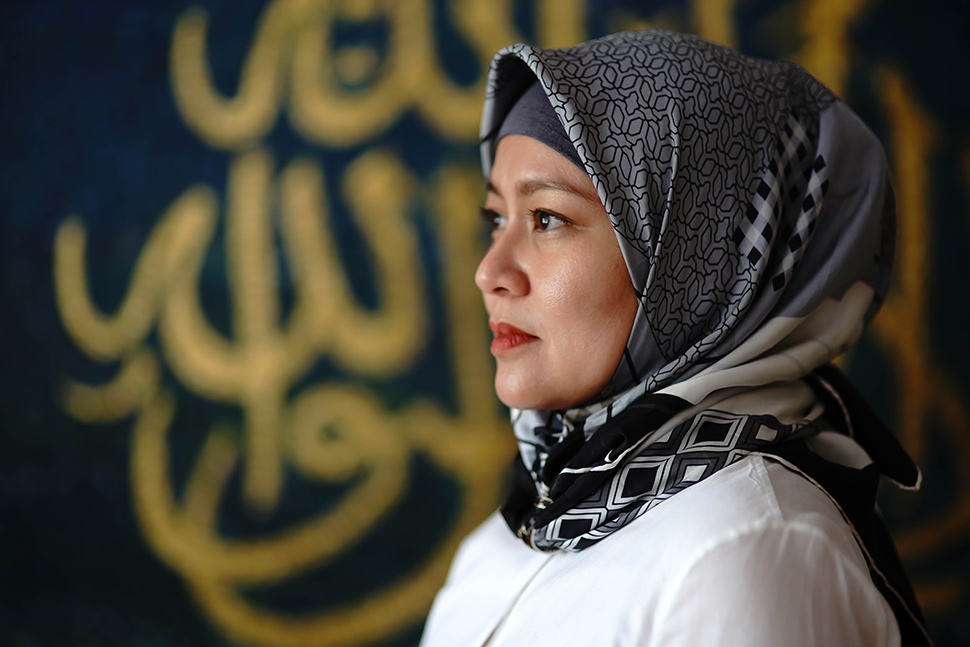
Governing in a multicultural region requires a leader with deep, radical empathy, high cultural intelligence, and an absolute iron will to build lasting peace. Sitti Djalia Turabin-Hataman, the Mayor of Isabela City, Basilan, possesses all three in abundance. Before taking the executive seat in her home province, she served nationally as the Representative for the Anak Mindanao Partylist. In Congress, she was a relentless voice advocating for the legal rights, historical recognition, and economic upliftment of Muslim Filipinos across the entire country.
In Basilan—a beautiful province historically burdened by the heavy narrative of armed conflict and insurgency—she has focused her administration entirely on aggressively changing that story through inclusive, rapid development. She doesn’t just manage the daily operations of the city; she actively heals its historical wounds. Mayor Hataman works meticulously to bridge the religious and cultural gaps between the Christian and Muslim communities, ensuring that public services, infrastructure projects, and economic opportunities are distributed fairly and without bias.
She has prioritized rebuilding local roads, revitalizing public commercial spaces, and securing external investments to stimulate the local economy and create jobs for the youth. Beyond her heavy administrative duties, she is a powerful, highly articulate voice in national policy forums. She constantly argues that women must be placed at the absolute center of any lasting peace process and conflict resolution strategy. She leads with the unshakeable conviction that true, sustainable security comes from community welfare and economic justice, not just an increased military presence.
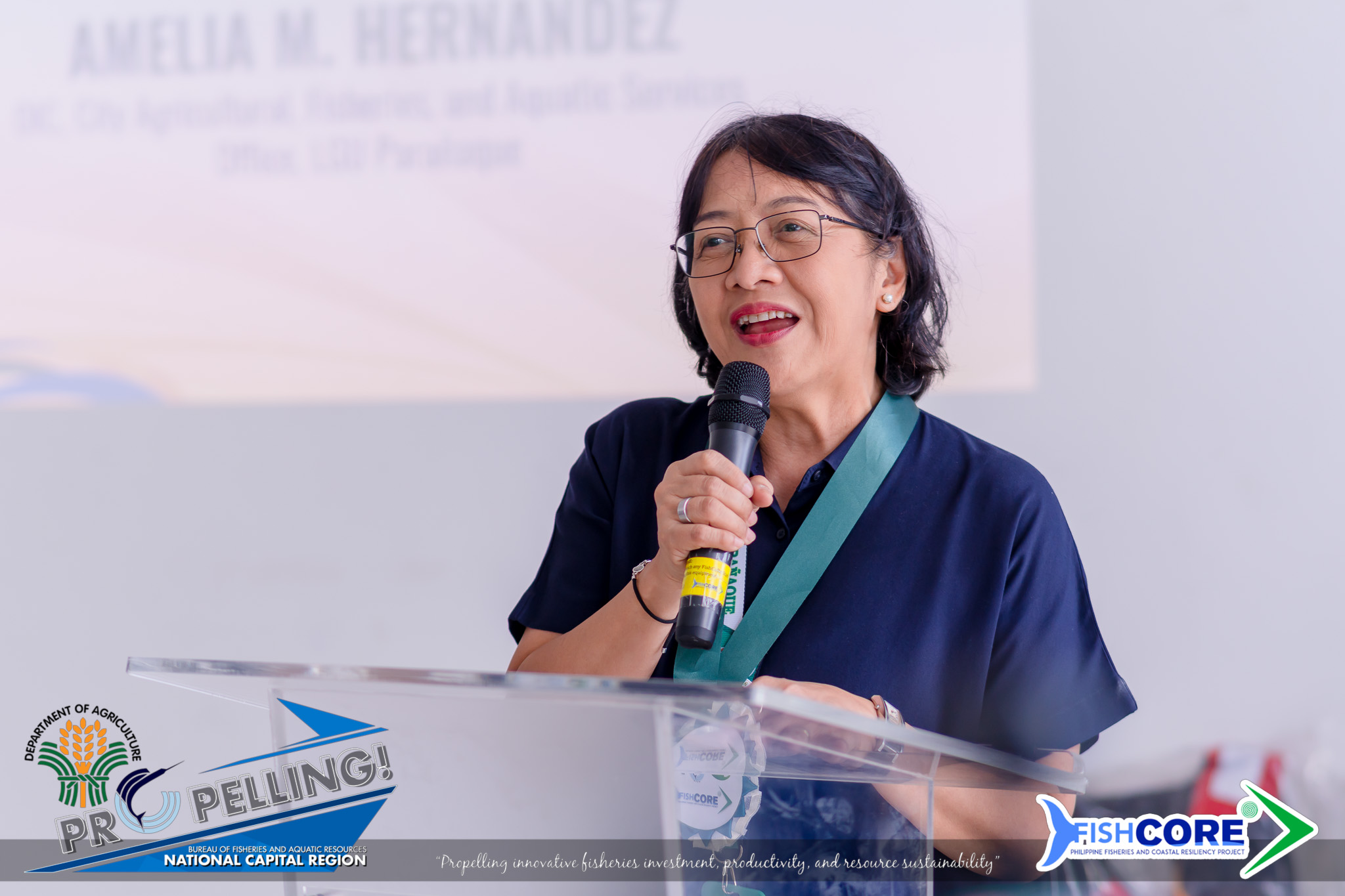
Amelia Hernandez is a relentless advocate for grassroots resilience, seamlessly bridging the gap between local legislative action and highly effective executive management. She proved her exceptional mettle in the municipality of Nagcarlan, Laguna, serving diligently as both a Municipal Councilor and eventually as Vice Mayor. During her tenure in local government, she understood that true progress begins with empowering the people at the base level. Recognizing the crucial link between basic hygiene and community survival, Hernandez did not wait for massive national funding to address local health gaps. She proactively partnered with private institutions like Asian Hospital Charities to launch a highly successful Health Education Outreach Program.
This direct intervention educated public school children and parents on the critical importance of good nutrition and proper hygiene, actively preventing the spread of diseases at the household level. She brought medical professionals directly to the people, teaching mothers how to prepare organic, nutritious meals. Her leadership in Nagcarlan was defined by a quiet, hands-on pragmatism. She focused on the absolute basics of public welfare, proving that an ethical leader does not need to be loud to be incredibly effective in driving local development.
Today, Hernandez brings that exact same operational brilliance and fierce advocacy to the highly urbanized landscape of Parañaque City. Serving as the Officer-in-Charge of the City Agricultural, Fisheries, and Aquatic Services Office, she faces the immense, daily challenge of protecting marginalized workers against the relentless tide of urban development. She is a staunch defender of local fisherfolk and urban farmers. Hernandez actively secures crucial technical support, government grants, and modern livelihood projects—such as climate-resilient longline mussel culture—in direct partnership with the Bureau of Fisheries and Aquatic Resources (BFAR). She aggressively promotes urban farming initiatives, proving that sustainable food security is vital even in a sprawling concrete jungle. By championing the rights of the fisherfolk, providing them with modern training, and fighting for their access to municipal waters, she ensures that the absolute poorest sectors are never left behind in the pursuit of modernization.
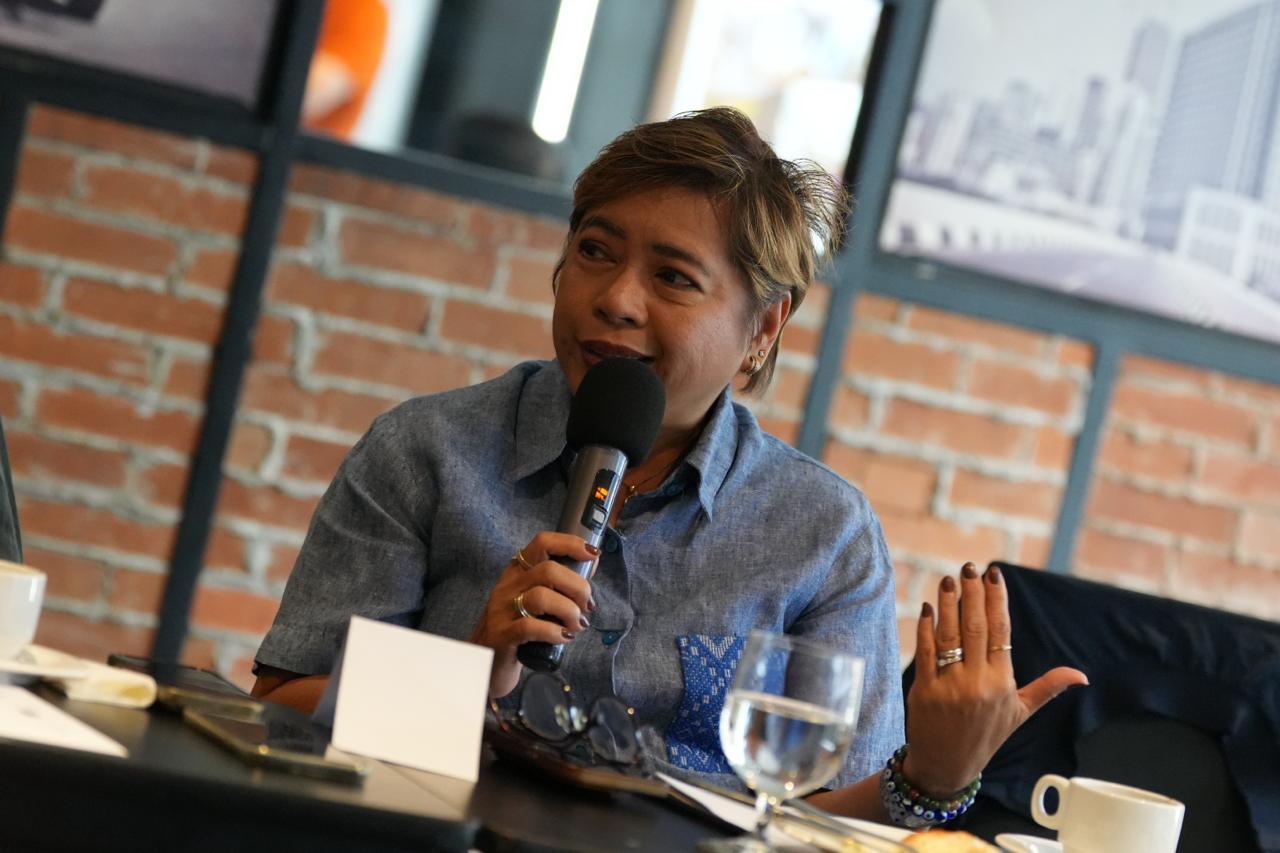
Lugie Lipumano-Garcia is a seasoned public servant whose brand of leadership was forged in the highly demanding political arena of Olongapo City. Long before taking on a national administrative role, she served multiple terms as a deeply active City Councilor. She became a primary legislative advocate for institutionalizing strict, compassionate local governance. Her lawmaking was firmly rooted in the belief that a locality’s progress is only sustainable if its government remains entirely accountable and its most vulnerable residents are aggressively protected.
As a crucial member of the Local Council for the Protection of Children, she championed the formulation of the Olongapo City Child Protection Policy. This landmark initiative established strict legal guidelines for city employees and public visitors. It ensured that children were actively shielded from abuse, threats, and exploitation within government facilities and across digital platforms. She fiercely demanded that child safety protocols start from within the ranks of the city government itself before expanding to the barangay level.
Her executive capabilities were severely tested when she assumed the massive responsibility of Acting Mayor of Olongapo City during a highly critical six-month transition period. Stepping up to stabilize local operations, she ensured that the delivery of basic public services never faltered. She rallied department heads to operate with absolute transparency, proving she could effectively manage a complex urban bureaucracy while keeping public trust high.
After a distinguished career in local government, she recently transitioned to national civic leadership. Appointed as the Executive Director of the Kaya Natin! Movement, she now scales the exact same ethical standards she fought for in Olongapo. She does the rigorous, strategic work of identifying promising leaders across the archipelago and giving them the practical tools they need to govern honestly. Lipumano-Garcia proves daily that strong local foundations are the absolute key to building a nationwide movement for public accountability.

Shirlyn Macasarte-Villanueva has spent her political career navigating the complex, high-stakes environment of Cotabato with remarkable tactical grace and unyielding dedication. Serving extensively as a Provincial Board Member, and stepping up as Acting Governor and Vice Governor during highly critical periods, she has proven to be a fierce protector of public safety and an indispensable architect of regional peace.
As a highly active member of the Sangguniang Panlalawigan, Macasarte heavily prioritized the physical safety and security of her constituents. She presided over the passage of crucial local legislation, most notably supporting strict measures to curb highway fatalities. Under her leadership in the provincial board, Cotabato became a trailblazer in Mindanao by unanimously approving a landmark ordinance that mandated random drug testing for drivers along provincial highways. This aggressive push for road safety demonstrated her absolute commitment to protecting innocent lives from preventable accidents. Beyond traffic safety, her legislative agenda consistently focused on establishing dedicated women’s desks and pushing for stringent child protection policies to combat abuse across the province.
Her executive mettle was tested on a historic scale when she assumed the role of Acting Vice Governor in late 2019. During this highly sensitive transition period, she played an essential role in the formal turnover of sixty-three Cotabato barangays to the newly formed Bangsamoro Autonomous Region in Muslim Mindanao (BARMM). She managed the intense legislative paperwork and delicate communal negotiations required to honor the people’s vote, acting as a crucial stabilizing force while the political map was entirely redrawn. Macasarte seamlessly bridges the gap between strict lawmaking and empathetic executive action. She proves that governing a divided region requires clear-headed diplomacy, a strict adherence to the law, and a fierce dedication to protecting the most vulnerable sectors of society.

Long before terms like “green urbanism” and “climate resilience” dominated international public policy discussions, Mary Jane Ortega was already executing them aggressively on the ground. As the Mayor of San Fernando, La Union, she made a radical, highly unpopular decision at the time: the city’s rapid economic progress could not, and would not, come at the expense of its natural environment. She actively collaborated with the World Health Organization (WHO) to officially designate San Fernando as a “Healthy City,” integrating strict public health metrics directly into all urban planning and zoning laws.
Her most globally recognized achievement was tackling the incredibly unglamorous but absolutely critical issue of urban sanitation. She led a massive, city-wide transition away from hazardous, outdated waste disposal systems and bottomless pits. Instead, she pushed for decentralized ecological sanitation and centralized fecal sludge management. This massive infrastructure shift actively protected the city’s vital groundwater sources and beautiful coastal waters from severe contamination, saving the local tourism and fishing industries in the process.
She also passed forward-thinking local legislation that smartly delegated specific environmental services to private contractors, ensuring long-term maintenance and efficiency without bloating the government payroll. Ortega didn’t just plant trees for easy photo opportunities, she implemented hard, structural environmental policies that permanently changed how the city functioned. Because of her incredible foresight and political will, San Fernando remains a premier, living case study in how local government units can successfully balance rapid urbanization with fierce environmental protection.
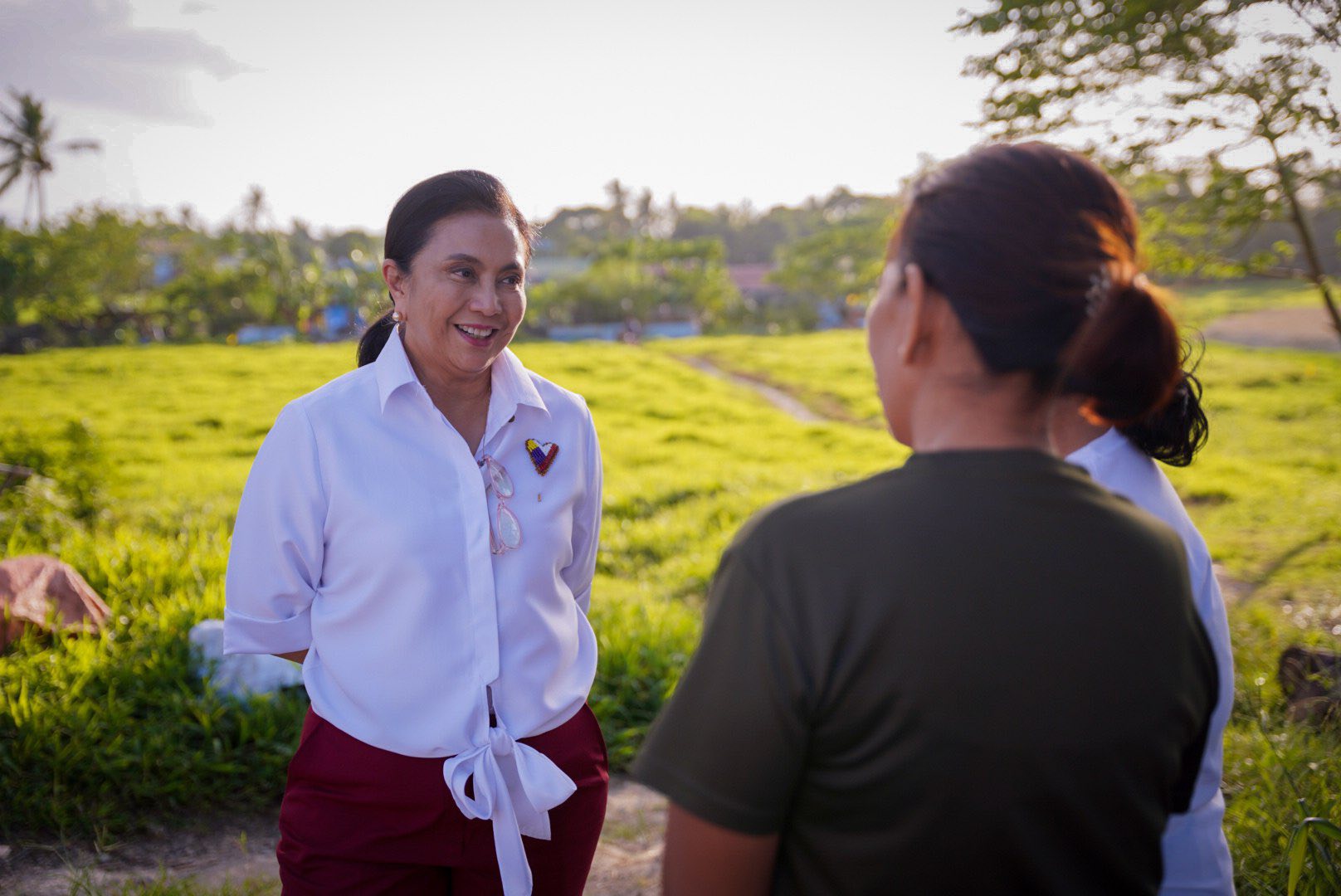
Leni Robredo’s brand of leadership is rooted in radical solidarity and uncompromising accountability. She took the Office of the Vice President and transformed it into the most efficient, transparent agency in the national government. Operating on a heavily restricted budget, she bypassed traditional bureaucracy by launching the Angat Buhay program. She connected private sector donors directly with the poorest localities to build classrooms, provide livelihood capital, and deliver medical care. Her office earned the highest possible audit ratings and rigorous ISO certifications year after year. When the global pandemic hit, her lean team ran circles around larger agencies by launching free telemedicine platforms and mobilizing vast fleets of volunteers.
Rather than resting on her highly decorated tenure, she brought this exact blueprint of ethical governance back to her hometown. In May 2025, she secured a massive landslide victory—capturing over ninety percent of the vote—to officially become the first female Mayor of Naga City. She immediately rolled up her sleeves to tackle the rigorous demands of executive local administration. Robredo quickly anchored her new term on the “2028 Finish Lines” roadmap, a strategic plan prioritizing inclusive economic growth and strict public fund management. Under her watch, the city launched the MyNaga App, eliminating bureaucratic red tape and bringing essential government services directly to the people.
Beyond digital innovation, she proved her mettle on the ground by confronting the city’s severe vulnerability to extreme weather. She actively spearheaded rigorous anti-flood measures and massive infrastructure clearing operations. By early 2026, she was directly coordinating with national agencies, personally inspecting dredging operations and critical waterways to ensure that flood mitigation funds were spent flawlessly. Robredo proves daily that honest leadership is about doing the exhausting, hands-on work of public service while constantly pushing the boundaries of what a transparent government can achieve.
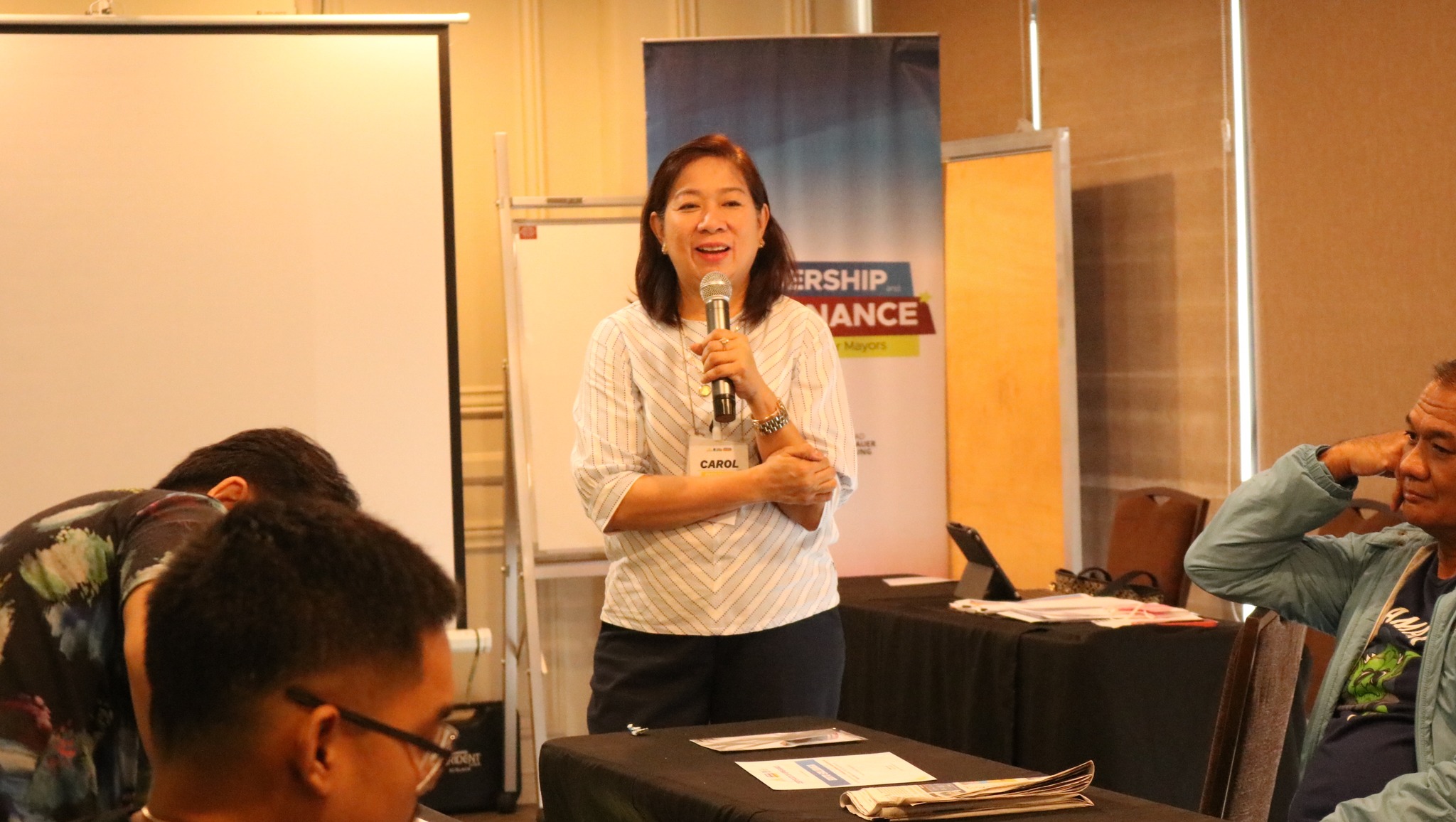
Carolyn Senador-Fariñas completely revolutionized health governance and community resilience during her tenure as the Mayor of San Felipe, Zambales. She understood that a thriving municipality requires a holistic approach to public welfare, recognizing that health, environment, and disaster preparedness are deeply interconnected. To ensure that national and local programs actually reached the grassroots level, she established the highly competitive “Galing Barangay, Galing Purok” program. This initiative brilliantly incentivized local leaders to strictly enforce waste segregation, promote greening projects, and maintain absolute cleanliness, transforming ordinary neighborhoods into active partners in public health.
Her most direct intervention in medical accessibility was the “Hatid Kalusugan” (Health and Treatment Innovation Drive). Refusing to let geography dictate who receives medical care, Fariñas mobilized rural health units to conduct aggressive, monthly medical missions directly in remote barangays and sitios. This program pushed essential services—from tuberculosis case-finding and immunizations to HIV awareness and family planning—straight to the doorsteps of the most isolated residents. She empowered Barangay Health Workers to become the crucial frontline defense, ensuring that no family in San Felipe was left without proper medical attention.
Fariñas also recognized that true health governance means protecting citizens from immediate physical danger. She pioneered “Call San Felipe,” a localized emergency 911 hotline that connected residents directly to barangay captains, the police, and disaster response units, while designating local multicabs as rapid-response ambulances. Furthermore, she secured the nutritional health of her town by aggressively subsidizing local farmers and fisherfolk with necessary equipment and fingerlings, boosting both local food security and household incomes. She left a lasting legacy in Zambales, proving that an ethical leader does not just build infrastructure, but actively builds the physical capability and health of the people she serves.

If there is one absolute requirement for a governor operating on the eastern seaboard of the Philippines, it is the total mastery of crisis management. Rosette Yñiguez-Lerias, the former Governor of Southern Leyte, took this harsh geographical reality and built her entire administration around it. Governing a coastal province placed directly in the path of the Pacific’s strongest typhoons and sitting dangerously on active fault lines, Lerias institutionalized disaster risk reduction long before the national government made it a strict legal requirement.
She forced local government units down to the barangay level to prepare, ensuring that emergency response protocols were not just theories on paper but highly practiced realities. She invested in rescue equipment, early warning systems, and permanent evacuation centers. When massive calamities inevitably struck the region, her administration was widely known for its swift, highly organized, and deeply resilient recovery operations that saved countless lives. But she didn’t just want her province to survive the next storm, she wanted it to thrive economically.
She heavily promoted the rich cultural and historical heritage of Southern Leyte. By leveraging massive historical milestones, such as the national commemoration of the First Mass in Limasawa, she successfully boosted local tourism, created jobs, and instilled a deep sense of civic pride among her constituents. Lerias governed with a tough, decisive hand, proving that true executive leadership means meticulously preparing your people for the absolute worst while constantly, relentlessly building toward the best possible future.